

NavigationInf NavigationInf
Coastal highway curve in the Gulf at dusk with palm silhouettes against a warm horizon

Coverage filed by beat across the Emirates and the wider Gulf

Browse NavigationInf coverage by category

Categories collect our reporting by subject so a story does not disappear the day after it publishes. Each category page holds the full run of coverage in that strand and links to the section that defines it.

How categories and sections relate

A section is an editorial beat with a stated scope. A category is the browsable collection of stories in that beat. They carry the same names on purpose, so a reader who finds the beat on the Sections page can move straight to the matching collection here.

Nothing is re-filed for the sake of a tidier index. When a story sits in two strands, it is listed in both and the lead is named on the category page, so the count you see is the count that ran.

Looking for the full run rather than one strand? The archive lists every published item newest first.

Open the archive

Coverage by editorial beat

A category page is a running collection, not a one-off feature, so it gathers the strand from the newest filing back. Two beats do not yet hold enough published reporting to open a collection, and we print that gap rather than fill it with opinion.

Gulf skyline in warm early-evening light seen from near the water

Markets

Sentiment, oil-price pressure and regional risk

Gulf market moves, oil-price pressure and how regional risk feeds into investor sentiment. This category holds the Reuters-attributed reporting on global sentiment and the supply constraints behind it, alongside the UAE-focused market items.

Start with UAE stocks weaken as US-Iran deadlock weighs on sentiment, then move back through the sessions that led there.


Colour-coded signage posts newly installed on a street corner in warm evening light

Transport & Urban

Road rules, truck movement, addressing and infrastructure

Road rules, truck movement, addressing systems and urban infrastructure across the Emirates. The truck restrictions covering Al Qudra Road, Al Meydan Street and the Airport Tunnel sit here, as does the colour-coded addressing rollout covering 186 areas across 19 sectors.

Two useful starting points: Dubai police and transport authority tighten truck traffic rules on major roads and the new addressing system with updated signs and QR codes.

Driverless shuttle parked at a campus bay in low warm sunlight

Technology & Mobility

AI, autonomous vehicles and the systems moving people

AI, autonomous vehicles and the systems reshaping movement in the UAE. Coverage includes the Technology Innovation Institute's Falcon-Emirati, Falcon-ASR and Falcon-OCR-Arabic models, and the expected expansion to more than 10,000 autonomous taxis and delivery vans.

Read Abu Dhabi launches Emirati-focused AI models for speech, text and document reading for the model work, then Autonomous taxis and delivery vans set for major expansion across the UAE for what changes on the road.

Trading district street in the Gulf at dusk with warm reflections on office fronts

Economy

Benchmarks, session runs and risk appetite in the UAE

The UAE-specific money story: Dubai and Abu Dhabi benchmarks, session runs and risk appetite. This category holds the reporting on the four-session decline in Dubai and the seven-session decline in Abu Dhabi after stalled negotiations.

The clearest entry point is UAE stocks weaken as US-Iran deadlock weighs on sentiment, which pairs the sessions with the political backdrop.

Where the coverage is thin, we say so

Ten published stories across ten beats will always leave water we have not sounded. The categories below are read the same way as the ones above: the state of a strand is part of the record, so a collection still filling is marked as extending rather than dressed up as a running beat.

Every item keeps a named source in the line above the copy, and the editorial standards page explains what qualifies a filing for a category and what gets held back.

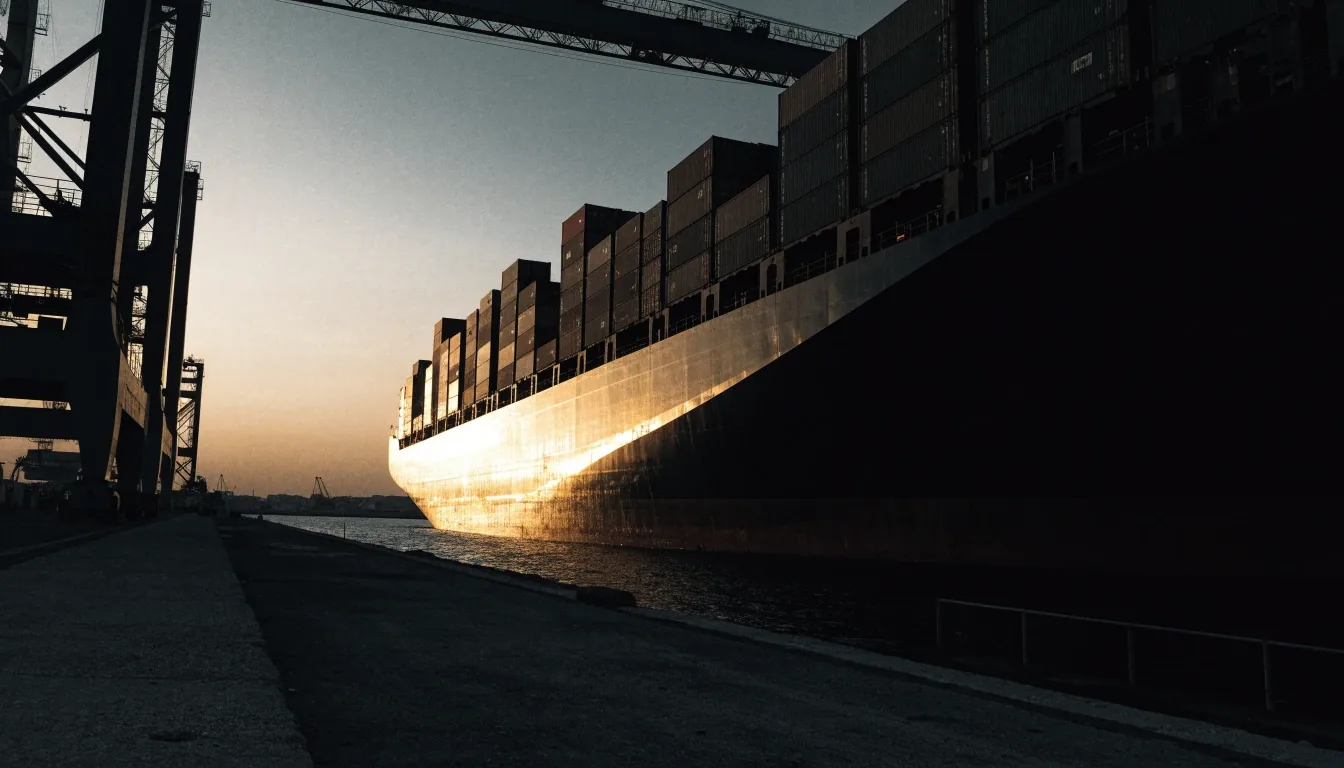
Container terminal at dusk with stacked containers and cranes in silhouette

Trade flows through the ports before they reach the roads — the freight corridor is where most of our transport filing begins.

Every beat in the index

The full set, in the same order you will meet it on the Sections page. A dot marks the state of each strand; the two grey rows are printed as gaps on purpose.

Markets

Gulf market moves and investor sentiment

Reliable

Transport & Urban

Road rules, truck routing and addressing

Reliable

Technology & Mobility

Autonomous systems and Arabic model work

Extending

Economy

Benchmarks, sessions and risk appetite

Extending

Government

Public-service platforms and policy delivery

Extending

Security

Maritime routes, regional risk and safety at sea

Extending

Middle East

The wider region as it reaches UAE residents

Extending

Aviation

Incidents, investigations and regulatory response

Extending

Mobility

Vehicles, delivery systems and routing

Extending

Energy

Uncharted

Water

Uncharted

Category pages carry no opinion of their own. What explains a filing, corrects it, or holds it back lives on the editorial standards page.

Contact NavigationInf

Finding an older story

Every category page lists items newest first, and the full archive on the News page can be filtered by category or searched by road name. If you know roughly when a story ran but not where it was filed, start with the archive: the road name it mentions is usually the fastest way in, because our transport filing names the exact stretch of carriageway in the first paragraph.

Categories are the other direction. If you know the subject but not the date, open the strand that owns it and read back from the newest filing. The order on the page is the order the stories published, so a run of sessions or a sequence of restrictions reads correctly without any further chasing.

Know the road, not the date? Search the archive by the street or interchange name and let the result list carry the rest.

Know the date, not the beat? Work back through the archive by publication order — it is listed newest first throughout.

Questions readers send us about the index

A story could sit in two categories. Which one does it go in?

Both. A category is a collection, not a slot, so a filing that carries a markets thread and a regional-risk thread is listed in whichever strands it genuinely serves. The lead is named on each category page so the duplicate is easy to spot rather than something you discover by accident.

Why does a category page look emptier than others?

Because that strand has fewer published stories so far. We would rather show a short collection than pad it with aggregation or opinion, so a thin category stays thin until there is reporting behind it. The coverage state next to each beat in the index above makes the difference visible at a glance.

Do two categories ever share a name with a section?

They always do. The beat defines the scope and the category collects the run, so the names match so the two pages stay easy to move between. If you found a beat interesting on the sections guide, the matching collection here will hold everything filed under it.

How should I follow one strand without checking back?

The weekly briefing gathers the week's filings across every category in one message, so a quiet strand still surfaces when something moves in it.

Where to go next

Move from a strand to the beat that defines it, or step across to the full archive when you want the whole run rather than one subject.

Keep the whole index coming

The weekly briefing collects the week's filings from every category in one message, with a line on which strands moved and which stayed quiet. If you would rather leave a note about the index itself, the newsroom desk reads those too.

Office 402, Al Thuraya Tower 1, Dubai Media City · P.O. Box 500001, Dubai, UAE · +971 4 391 2244