
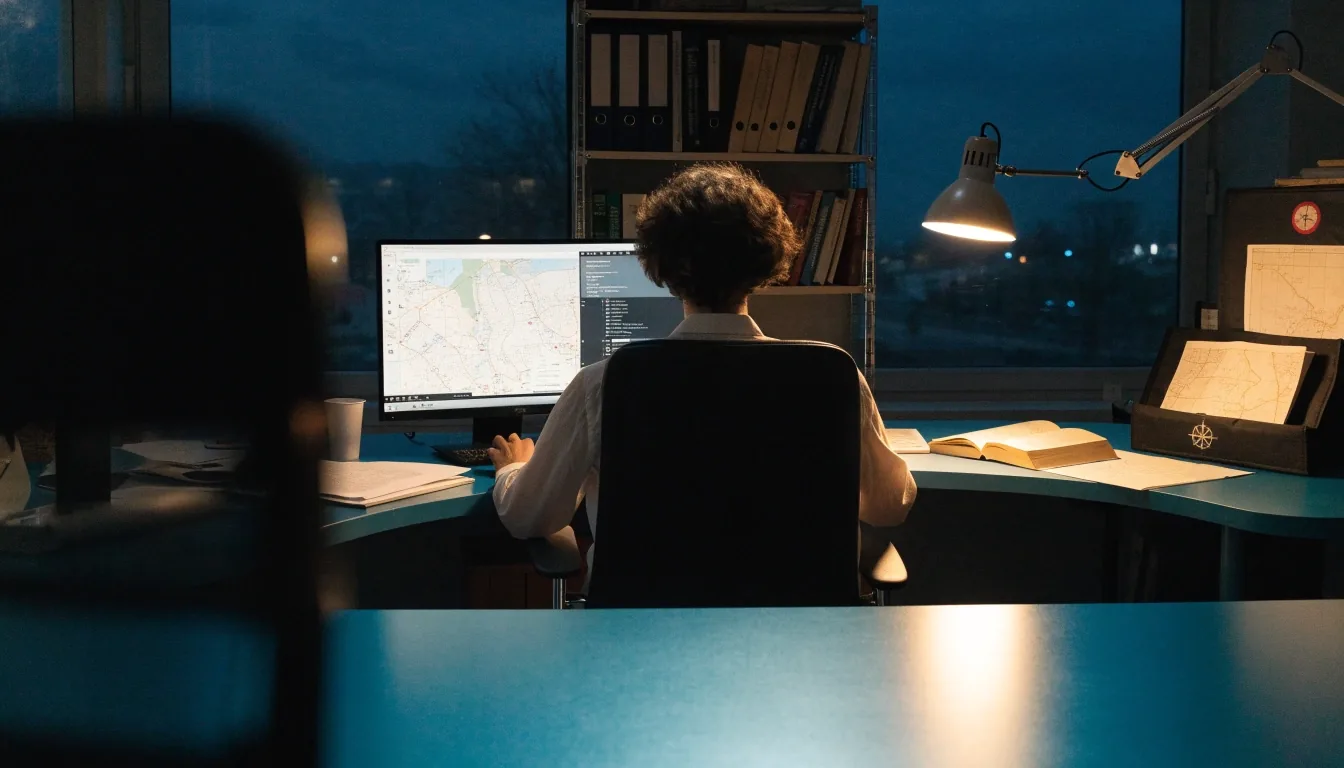
The rules the desk works to, on every story we file
How we source and correct our reporting
Where information comes from, how it is attributed, when a correction is issued, and what you can do if something is wrong.
Where the information comes from
Where our information comes from
This page explains the rules the desk works to. It applies to every story on the site, including the ones filed quickly when a road closure or a policy change breaks late in the day. The rules do not change with the clock.
NavigationInf reports from named sources: Reuters, Gulf News, Khaleej Times, The National, ARN News Centre and Emirati Times, plus official statements from UAE authorities. When a story is based on a wire report, the outlet is named in the body so you can trace the claim back to its origin.
The sourcing rule in practice
A claim without a trace does not run
We do not publish claims we cannot trace to a specific published source or an official announcement. If a figure appears in a story and no outlet, authority or document stands behind it, the figure comes out of the draft. That holds for wire copy we have been forwarded, for statements a contact repeats secondhand, and for details that look consistent with other stories but have no direct source.
Practically, that means a reporter checks one thing before anything else: can this sentence point at where it came from? If the answer is no, the sentence waits.
Attribution in practice
Every figure carries its origin. Attribution is not decoration; it tells you how much weight a detail can carry. Two examples of how this reads on the page:
Attributed to a wire
If Reuters reported that UAE stock markets closed lower after stalled US-Iran negotiations, the story says Reuters reported it and gives the date. The sentence credits the outlet because the desk did not see the trading floor; it read the wire.
Attributed to an authority
If the UAE state news agency said authorities opened an investigation, that is how the sentence is written. The story does not say the investigation began; it says the agency reported it began. The difference matters to anyone reading the story a week later.
Claims we leave out
Unattributed numbers, forecasts presented as outcomes, and claims about events that no named source has confirmed do not run. Speculation is labelled as speculation or left out. We also do not republish full wire articles; our stories are written by the desk around the reported facts.
What we do not publish
What we do not publish
We do not publish unattributed numbers, forecasts presented as outcomes, or claims about events that no named source has confirmed. If a story on another site repeats a rumour about a road project or a policy change and we cannot reach the underlying source, we do not match the story by rewording it.
Where the honest answer is that something is uncertain, the story says so in plain words rather than dressing the gap as a prediction. Leaving a story out is a decision the desk makes on purpose, not an oversight.
Corrections policy
Corrections, and how to request one
If a story contains an error, we correct the text and note the change. We do not silently delete published items, and we do not quietly edit a headline to mean something different. When a correction changes what a sentence says, the original wording stays visible alongside the corrected version.
The corrections policy is a short document the desk maintains as part of these editorial standards. It covers how a change is logged, how it is dated, and what happens when a story is withdrawn in full.
Read the full corrections policyHow to request a correction
-
1
Name the story. A headline or a link is enough; the desk can find the item from either.
-
2
Point at the detail in question. Quote the sentence if you can; that removes any guesswork about what is being disputed.
-
3
Send any supporting source. A published article, an official statement or a document the desk can check is the fastest route to a decision.
-
4
Reach the desk through the Contact page. The editors who handle corrections are the same people who answer the address listed there, weekdays from 9:00 AM to 6:00 PM.
The Contact page lists how to reach us: Office 402, Al Thuraya Tower 1, Dubai Media City, P.O. Box 500001, Dubai, UAE, by phone on +971 4 391 2244, or by email at info@navigationinf.info.
Opinion, analysis and news
Opinion, analysis and news
Most NavigationInf stories are reported news. Where a piece is analysis, it is written as analysis and does not carry the same weight as a reported fact. We do not mix the two in a single paragraph without saying which is which, and we do not run sponsored content as news.
A headline that starts a claim the body never attributes is a defect, not a style choice. When you see a label that reads Analysis at the top of a piece, read the paragraph beneath it differently from a straight report.

A report and an analysis can look alike at a glance. The label at the top of the piece is what tells them apart.
Right of reply
When a story concerns an organisation or a named individual and we receive a substantive response, we add it. The Hormuz shipping corridor coverage, for example, reflects statements from the parties involved rather than our reading of their intentions.
If you are the subject of a story and want to respond, use the Contact page. A response that arrives after publication is added to the story rather than kept in an inbox. Where a response is long, the desk may publish it in full on its own page and link it from the original item.
Trade bodies, transport operators and municipal offices across the Emirates can reach the editorial desk directly, on the working days and hours listed on the Contact page.
Independence and advertising
Independence and advertising
Editorial decisions are made by the desk. Advertising and partnership enquiries are handled separately and do not influence coverage. You will not find paid items placed among reported stories, and we do not accept payment for a favourable write-up.
That separation is the reason the corrections policy can be enforced without negotiation. If an advertiser asks for a line to be softened, the request goes to the commercial team and the story does not move.
Where the line is drawn
Sponsorship, paid placement and commercial partnerships never appear inside the reporting column. Anything paid is labelled and sits apart from the stories the desk files.
Story tips go to the editorial desk, not to accounts. A tip is judged on the material behind it, not on who sent it.
How to test a story
How to judge a NavigationInf story
You do not need to know the desk to check its work. Three things tell you whether a story is doing what this page says it should.
If any of the three is missing, tell us and we will fix it or explain why the story is written that way. A reader who can audit a story is the point of publishing these standards at all.
Is the source named?
Look for an outlet, an authority or a document. A phrase like reports suggest, with nothing behind it, is a warning sign.
Is the date present?
Traffic rules, fares and construction phases change. A story without a date is hard to weigh against what is true this month.
Is the claim attributed?
Attributed, not asserted. The story should tell you who said it, not leave you with the impression that the desk saw it happen.
Send the detail, the story and any source you can share. The desk reads these on working days between 9:00 AM and 6:00 PM.
Questions readers send us about our standards
Will you publish a claim from a single anonymous source?
Only when the source is in a position to know and another route exists to check the claim. In practice the wire, an authority statement or a second source has to line up before the detail runs. A single unknown voice is not enough on its own.
How quickly is a correction made?
Same working day where the error is clear and the supporting source is already in hand. Where a correction needs checks, the desk tells the person who raised it that the item is being looked at rather than leaving the request unanswered.
Do you take stories from public relations agencies?
The desk reads everything it is sent. A release becomes a story only when a named source stands behind the underlying fact and the material holds up on its own. Nothing runs because it arrived in a press inbox.
Where does coverage stop?
Some beats are charted and covered in detail, some are extending, and some are gaps we have not sounded yet. The sections and news pages show which beats the desk is working, and where a beat has no story yet the gap stays visible instead of being filled with opinion.
More on how the desk is organised, who files the stories and what the newsroom covers sits on the About NavigationInf page.
Where to go next
Read the archive, or send the desk something to check
The archive holds every story and the beats behind them. If you have a correction, a right-of-reply response or a tip about a road, a transit rollout or a policy change in the Emirates, the editorial desk is the place to send it.
NavigationInf, Office 402, Al Thuraya Tower 1, Dubai Media City, P.O. Box 500001, Dubai, UAE. Phone +971 4 391 2244, email info@navigationinf.info, Monday to Friday, 9:00 AM – 6:00 PM.