

Gulf News reporting, 7 October 2026 — Dubai and Abu Dhabi indexes both lower
Regional conflict rattles UAE residents as trade and energy risks rise
Escalating fighting in Yemen and deepening tension around the Strait of Hormuz are reaching residents through shipping timelines, prices and market sessions — not through headlines alone.
What residents are seeing
The report described renewed uncertainty for people in the Emirates as regional fighting escalated. That shows up in practical ways before it shows up anywhere else: travel planning, shipping timelines, and how cautious people are about committing to schedules. Regional tension reaches residents through logistics and prices first.
Routing and scheduling
Travel plans and freight timings move first
When a corridor becomes less predictable, the first thing operators do is pad their schedules. Residents feel that as longer lead times on deliveries, tighter booking windows for holiday travel, and more caution from employers about promising fixed dates for site work.
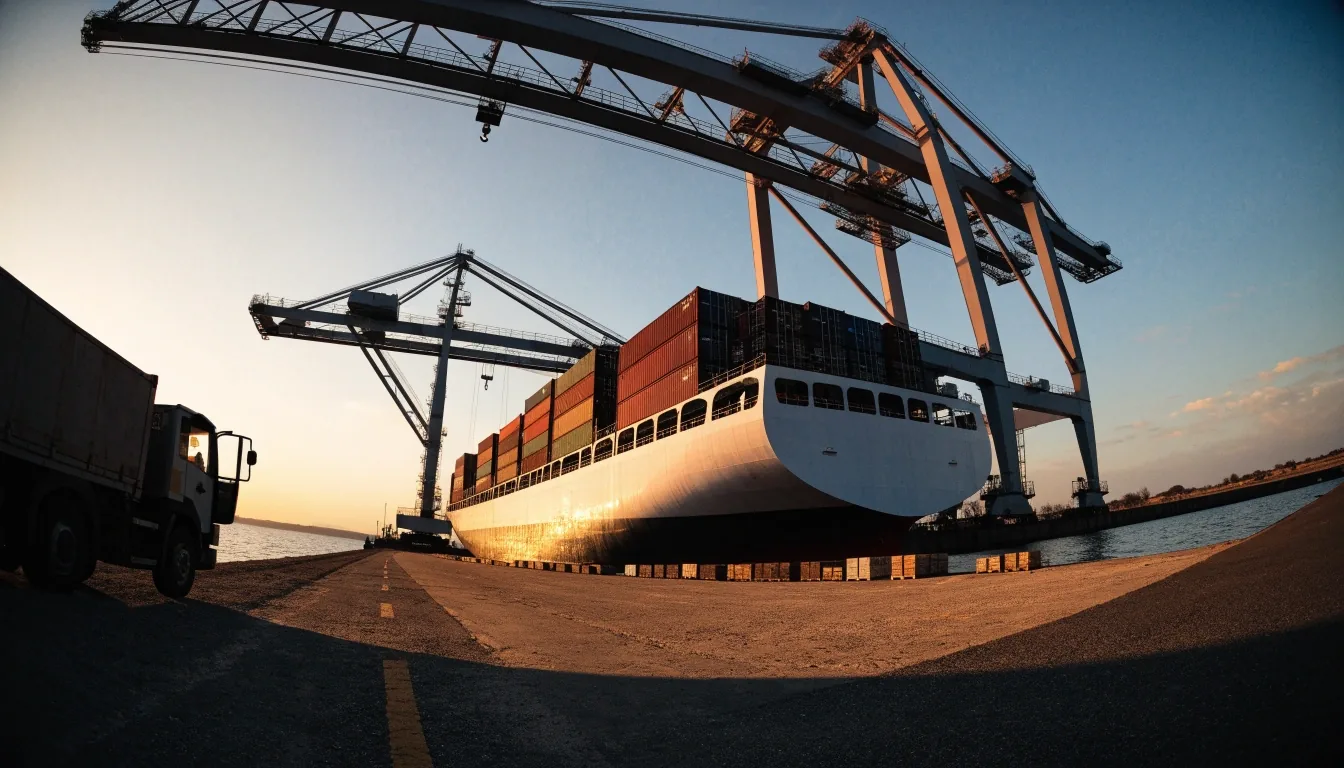
Freight throughput is where residents first notice a corridor shifting.
Weekly purchasing
Import goods that residents buy every week
Gulf shipping conditions feed into import timelines for everyday goods. A delay on the water does not always show up at the till immediately, but it does change how much stock a shop is willing to hold and how far ahead a distributor plans its orders.
Wait times shift before prices do
Distributors quietly extend their cover. Retailers re-order earlier. Neither step is announced, which is why the practical signal is a lead time rather than a price tag.
Official position
The Houthi attacks and the UAE position
Gulf News reported that the UAE condemned continued Houthi attacks on Saudi Arabia and reaffirmed solidarity with Riyadh. That statement is the official position and we report it as such. It also frames how the UAE's own risk posture is read in the region — a government that has publicly tied its posture to Riyadh's security is read by markets and shipping insurers through that tie.
We keep the distinction clean here. A condemnation is a diplomatic act. It does not by itself change a shipping route, a fuel price or a flight schedule. It does tell readers which direction official language is moving, and that is worth tracking honestly.
What the statement covers
- A public condemnation of continued attacks on Saudi Arabia.
- A reaffirmation of solidarity with Riyadh, reported as the UAE's stated position.
- No published detail on measures beyond the statement itself — we leave that gap open.

Safe transit routing through the strait
Hormuz and the shipping picture
Tensions around the Strait of Hormuz have deepened alongside the wider escalation. Iran and Oman finalized coordinates for designated safe transit routes through the strait, with the coordinates to be shared with the relevant international maritime body.
Safer transit routing is a direct response to conditions that also affect residents indirectly, through trade costs. It is the clearest published sign so far that operators are changing how they move through the Gulf rather than simply waiting out the tension.
Read the Hormuz shipping storyMarket sessions
Markets as the visible signal
The report noted that UAE markets reflected the uncertainty, with both the Dubai and Abu Dhabi indexes moving lower. Market sessions are the most immediate public signal of how risk is being priced locally.
They are not a measure of public mood, but they are a measure of how investors are reading the same events. That distinction matters: a lower close tells you what traders did with the information, not what residents in Sharjah or Al Ain felt about it.
This desk reports index direction as it is published and does not carry live quotes. We do not print fuel prices or share prices from anywhere other than our own editorial feed.
Session ledger
Dubai index
Moved lower in the session
Reported
Abu Dhabi index
Moved lower in the session
Reported
Magnitude of the move
Not given
Desk reading
Risk repriced, not resolved
Held
Rows marked Reported come from the Gulf News account dated 7 October 2026. We leave the magnitude of the move blank because no figure was published.
Read the Gulf markets reportEnergy and trade exposure
The UAE sits inside both the energy and trade networks that regional tension disrupts. Oil pricing responds to supply constraints, including attacks on Saudi infrastructure and storm risk elsewhere. Meanwhile, shipping conditions in the Gulf affect import timelines for goods that residents buy every week.
Two channels, one direction. When energy supply is uncertain, input costs climb for anything made or moved with fuel. When Gulf shipping is disrupted, the same goods take longer to arrive. Residents experience the pair together as a more expensive, slower week — not as two separate stories.
Energy channel
Supply constraints feed into oil pricing, and oil pricing feeds into transport, cooling and construction costs across the Emirates.
Trade channel
Gulf shipping conditions set how long imported stock takes to reach shelves, which changes re-order timing more than it changes the sticker price.
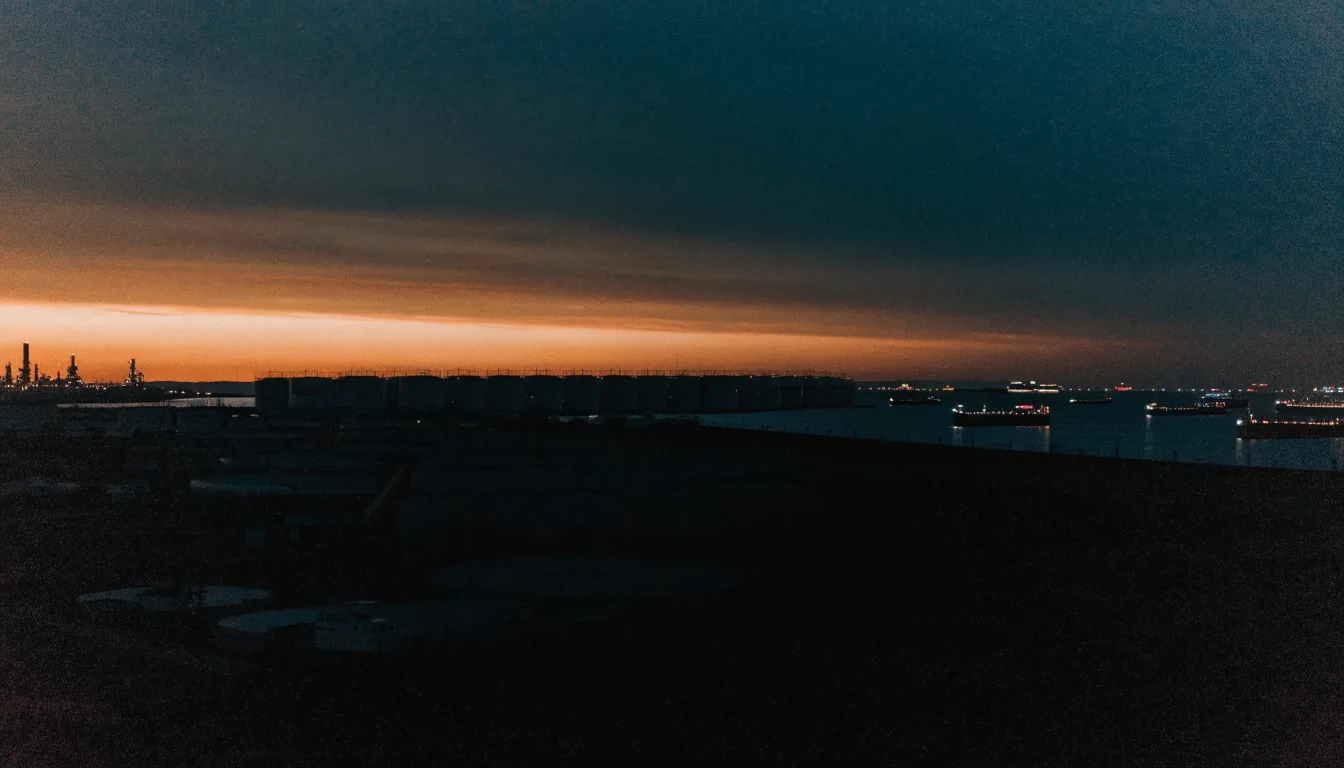
Energy and shipping move together, and residents meet them as one bill.
What is confirmed and what is not
This report is built on Gulf News accounts dated 7 October 2026, and we do not add to them. Where a development is described as ongoing, we say so. Where a figure or an outcome has not been published, we leave it out rather than estimating it.
That is the same standard we apply to every story on this site. If a number is missing from our page, it is because no source published it — not because we chose a round figure that looked reasonable.
Charted, but still open
Now
Fighting in Yemen escalated and Hormuz tension deepened. Gulf News reported the UAE condemned continued attacks on Saudi Arabia. Both Dubai and Abu Dhabi indexes moved lower.
Charted, but still open
Unresolved
How long the escalation lasts, what further measures follow the UAE statement, and what effect the agreed Hormuz transit coordinates have on insurance and scheduling.
Charted, but still open
Not published
Specific percentage moves on either index, and any casualty or damage figures. We do not print a number no source gave us.
The running file
Practical coverage for residents
The desk keeps a running file on what UAE residents need to know, updated as official statements arrive. It sits alongside our Markets and Security reporting so that a market move and a shipping change are read together rather than in isolation.
Official statements
What governments and authorities put on the record, added as they arrive.
Live file
Shipping and freight
Corridor changes, transit routing and what they mean for delivery lead times.
Extending
Market sessions
Index direction across Dubai and Abu Dhabi, read together with the shipping picture.
Extending
Damage and casualty reports
No verified figures published; the row stays open.
Gap
Following the file
Middle East carries the regional picture, Security covers maritime and risk developments, and Markets covers how all of it prices into Gulf benchmarks. The weekly briefing pulls the three together every Friday.
Reader questions
Why does a conflict far from the Emirates affect weekly shopping?
Because most of what residents buy arrives by sea. When Gulf shipping conditions tighten, the same container takes longer to reach port, and shops respond by ordering further ahead. The price may hold for a while; the lead time rarely does.
Are the lower index closes a sign of what happens next?
They are a sign of how investors priced the news on the day, nothing more. Markets reflect the information available in the session. We report direction and do not turn a single close into a forecast.
What do the agreed Hormuz transit coordinates change for residents?
Directly, very little — residents are not routing ships. Indirectly, designated safe routes make passage more predictable for carriers, which is what steadies freight timing and insurance costs over the following weeks.
How often is this page updated?
As official statements arrive. The running file above is the fastest view; the weekly briefing collects the same threads into one Friday read. If nothing has been published, nothing is added — the page stays as reported.
Reading this with the rest of the desk
This page is one account, sourced to Gulf News reporting from 7 October 2026. Two companion pieces carry the detail behind it: the shipping corridors agreed for the Strait of Hormuz, and the wider reading of Gulf markets under the same tension. Read together, they show a corridor being rerouted and a market repricing at the same time.
NavigationInf · Office 402, Al Thuraya Tower 1, Dubai Media City · +971 4 391 2244 · Monday to Friday, 9:00 AM – 6:00 PM